
What Cheboygan County Property Value Numbers Mean
Michigan assessment records split value into concepts that look alike but are not. Cheboygan County Equalization measures assessed values against the state standard, which is 50 percent of true cash value. Taxable value moves under separate statutory rules, so the two numbers often drift apart.
| Value | What It Is | Where |
|---|---|---|
| Assessed value / SEV | Tax assessment measure at the statutory level | Local roll and county GIS |
| Taxable value | Base used in the tax calculation | Assessment notice, GIS and tax record |
| Market appraisal | Opinion of likely market value for a stated purpose | Independent appraisal |
| Last sale price | Consideration reported for one transfer | Deed or GIS sales layer |
Write the assessment year, transfer date and source beside every figure you copy. A current tax roll and an older sale sit on different dates entirely.
Cheboygan County SEV and Taxable Value
The county data layer reports both SEV and taxable value for each parcel. One sample shows an SEV of 515,200 against a taxable value of 279,973. That gap shows plainly that the labels are not interchangeable. Michigan caps taxable value growth each year. A qualifying transfer uncaps it in the following calendar year. A low taxable value never proves low market value. It may reflect assessment history, transfer rules or an exemption. Michigan's ownership-transfer guidance explains which transfers qualify.
- Assessed value
- The local assessor's value before equalization.
- SEV
- The value after equalization, generally half of true cash value.
- Taxable value
- The figure used with millage rates to compute tax.
- Reassessment
- A review of values for the assessment roll.
Recorded Cheboygan County Sale Prices
Sale consideration can surface in a few places. The deed itself may state it. So may transfer-tax stamps or the county GIS sales layer. The sales service sometimes leaves price fields blank or zero. A blank does not mean nothing changed hands. One recorded price is evidence of one transaction. Michigan guidance is clear that a sale price is not automatically the new true cash value. Assessment is not set by simply halving the price either.
| Question | Best record | Date to keep |
|---|---|---|
| What did one transfer report? | Deed and transfer record | Closing or recording date |
| What does the roll assess? | Assessment notice | Assessment year |
| What might it sell for? | Qualified appraisal | Effective date |
Compare figures only after their definitions and dates align.
Lookup Cheboygan County Property Values
The property-information lookup accepts an owner name, street address or parcel number. The parcel number is the safest key once you have it. Street spellings and mailing addresses cause the most mix-ups.
- Open the county property information page and choose GIS.
- Search the situs address and confirm the legal text and parcel code.
- Read SEV and taxable value and note the year.
- Check classification and exemption fields without assuming eligibility.
- Compare any sale record separately with its date and instrument.
- Assessed value
- The assessor's valuation before equalization.
- Market appraisal
- An opinion of probable market value.
- Assessment level
- The ratio of assessed value to true cash value.
Keep SEV and taxable value in separate fields when you record them. The actual tax bill lives in a separate BSA Online record. An official parcel service sample displays Cheboygan County property value fields beside owner, legal and tax data.
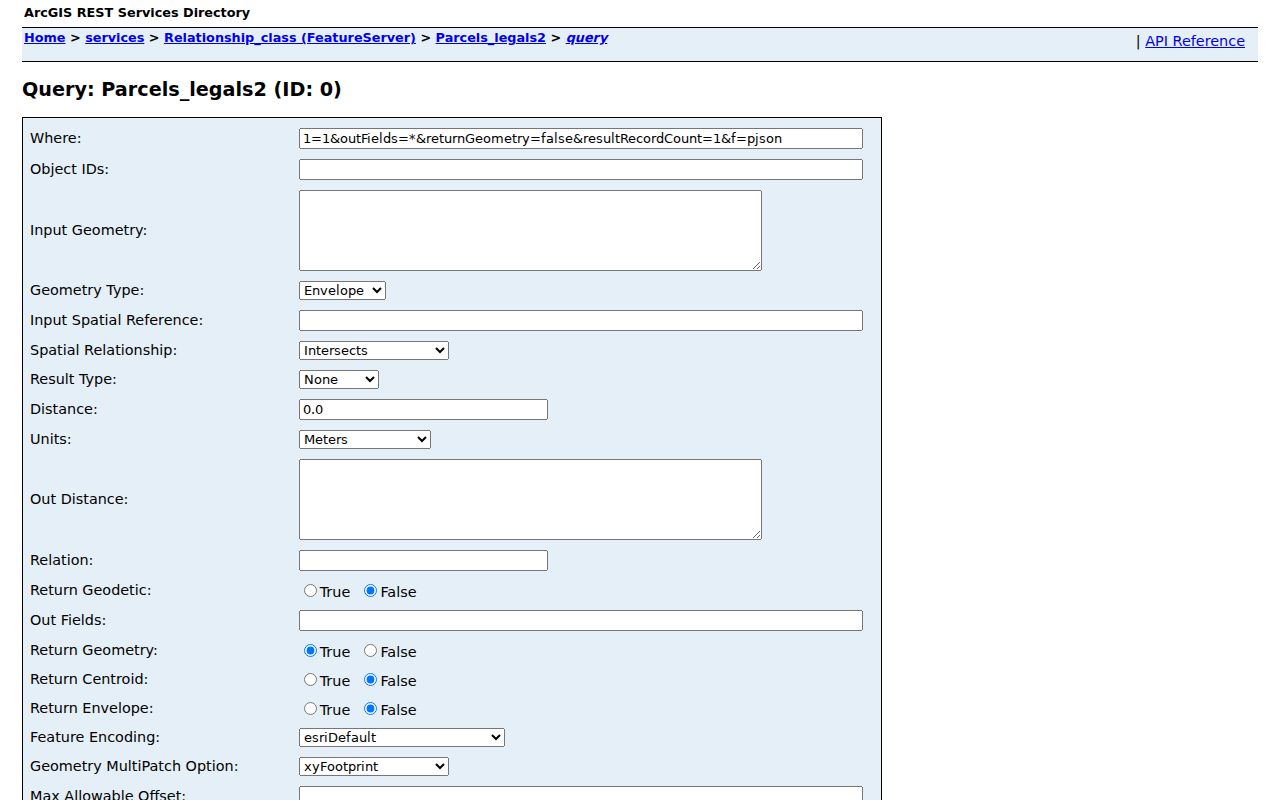
That sample shows exactly why SEV and taxable value must be copied as distinct figures with their source year.
Cheboygan County 2026 Value Context
The April 2026 report recommends total equalized value of $3,696,451,589 for Cheboygan County. That works out to a combined increase of 10.68 percent across classes and jurisdictions. It is not a forecast for any single parcel. Do not apply 10.68 percent to a home or village lot as a shortcut. Open the exact assessment record and compare matching years instead. Cheboygan, Mackinaw City and Wolverine publish no official city-specific trend. Note: Countywide equalization describes an aggregate roll. The parcel's SEV and taxable value remain the recorded figures that matter.
PRE Fields Change Cheboygan County Taxable Context
The Principal Residence Exemption can remove the 18-mill local school operating levy for eligible property. Assessment notices also carry exemption and classification fields. Those entries change tax treatment only, not the land's physical market traits. Never guess an exemption from a mailing address or the look of a home. Read the current record and Treasury guidance instead. A transfer may trigger forms or a PRE rescission. That is tax administration rather than a sale-value estimate. Question: Does taxable value tell what a buyer should offer? No. It is a statutory tax-base figure, not a market appraisal.
Context for Cheboygan County Values
Cheboygan County spans lakes, rivers, villages, resorts and wide rural tracts. That mix makes comparisons tricky. A subdivision lot may carry shared access or plat restrictions. A section-based tract answers to different acreage and use limits. So check the legal description first. Then weigh acreage, frontage, class and any zoning or flood context before comparing anything.
Plats like Needle Point, Mackinaw Shores and Donner's Silver Lake serve as record anchors. Names alone won't set value. A recorded easement, re-plat or access term can shift what a parcel is worth. The county GIS offers clues. It is not an appraisal. An owner's mailing address may sit outside Michigan while the situs stays local, so track the land by situs and parcel code.
Jurisdiction adds another wrinkle. Village and township lines can change the tax unit without changing the postal city. Wolverine sits mostly in Nunda Township, with a smaller portion in Wilmot. Mackinaw City needs a county check. Some Cheboygan postal parcels sit beyond the incorporated City. Group records by ZIP or city text and you can mix unlike jurisdictions.
LandWeb and the GIS sales layer add transaction context. A deed may reflect an arm's-length sale, an estate transfer, a trust transfer or another event, so confirm which one before treating consideration as market evidence. Zero or incomplete values appear in the sales layer. Verify the recorded instrument when a figure looks odd. Improvements shift too. City or village permits, county Building Safety monthly lists and zoning files can date a building, addition, split or site-plan event. None of them sets market value. Instead of applying a generic premium or discount, read the parcel-specific rule, survey, permit and deed.
Cheboygan County Property Value Limits
An assessment never guarantees a sale price. Nor does it settle boundaries or replace title work. A deed's consideration also hides terms, and automated estimates can miss local land and legal-description details.
Assessed value is not an appraisal. It is set for taxation under Michigan rules and may not equal what the property would sell for.
For a purchase, estate or contested valuation, use current parcel evidence and a qualified appraisal suited to the purpose. Tax bills, exemptions and challenges belong with the local assessor and Treasurer records. Then build a value worksheet. Date every row. List SEV, taxable value, recorded consideration and any appraisal, each with its source, effective year, parcel code and transfer date. Don't average unlike measures. Don't carry an old figure into the current year. If the parcel was split, combined or re-platted, confirm each number describes the same land before drawing a trend.