
Identify Who Owns a Cheboygan County Property
Each record points to the next. The county GIS parcel search supplies the roll name and the parcel identifiers, and the recorder index then supplies the latest conveyance for that Cheboygan County parcel.
- Search the situs address and select the correct parcel.
- Copy the owner, care-of text, APN, legal description, and liber/page.
- Use LandWeb to confirm the newest deed and its grantee.
- For an LLC, compare the exact name with Michigan's registry.
- Use the public mailing address only for lawful property contact.
See Cheboygan County Owner Fields Together
The official sample parcel response lays out owner, care-of, mailing, situs, legal, liber/page, acreage, value, and tax fields in one view.
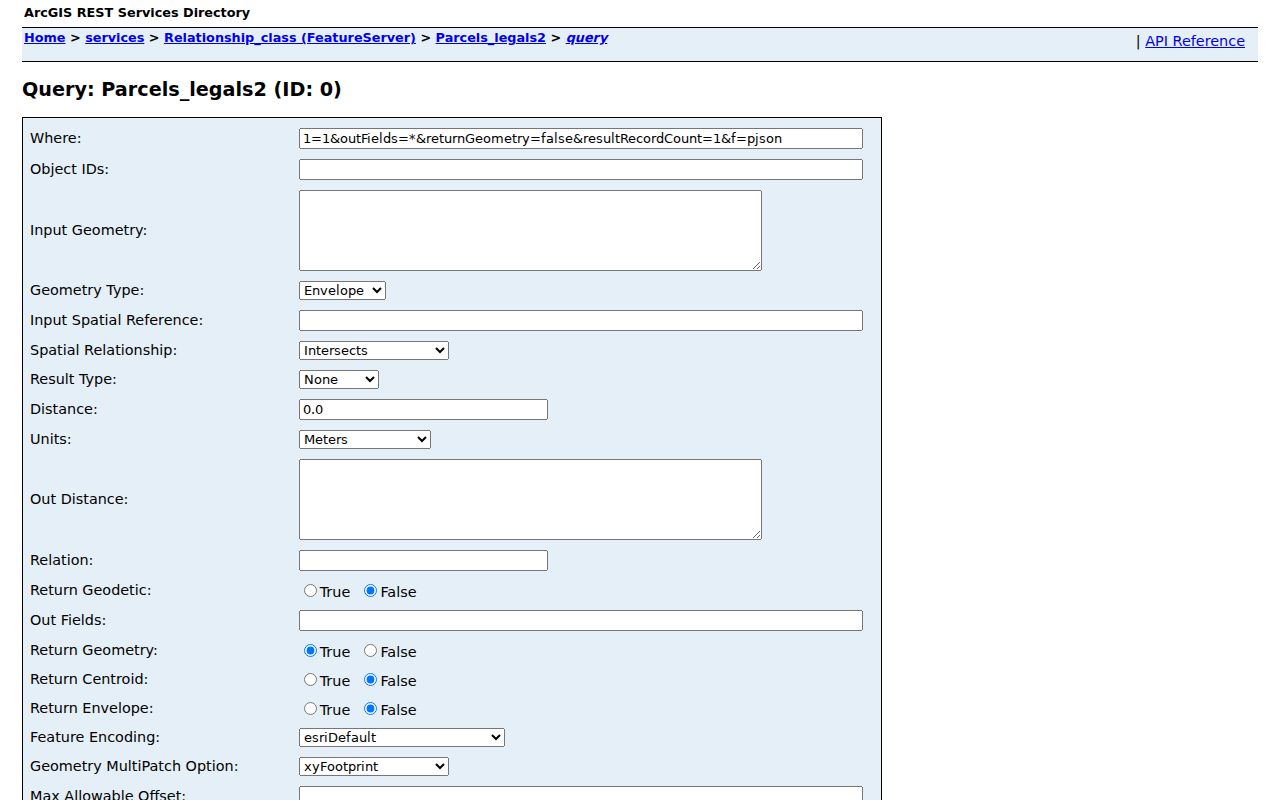
A Cheboygan situs paired with a Pennsylvania mailing address in the sample shows why physical and mailing locations must stay separate in any property search.
Verify Trust and LLC Owners
Owner text can name people, trustees, a living trust, an estate, or a company. Search every meaningful variant. The sample parcel lists trustee names with a living-trust care-of entry. Either name alone could miss the parcel.
For a company, the Michigan MiBusiness Registry confirms entity identity. Return to the deed for ownership. The state moved the registry to its current platform in June 2025. A registered agent is not the property owner.
- Owner of record
- Name on the assessment roll.
- Grantee
- Party receiving an interest by deed.
- Situs
- Physical property location.
- Mailing address
- Address used for correspondence.
Where Cheboygan County Property Owner Names Appear
No one record answers every ownership question. The Cheboygan County roll is fast, the recorded deed is stronger for a new conveyance, and the GIS map ties both to a mapped parcel.
| Source | Owner Info It Gives | Access |
|---|---|---|
| GIS assessment roll | Owner, care-of and mailing address | Public county viewer |
| LandWeb recorder index | Grantee on recorded conveyance | County-linked session portal |
| MiBusiness Registry | Entity identity and filings | State portal |
| Permit file | Applicant or stated owner | Municipal or county request |
An occupant is not necessarily the owner of record. The name on a permit may belong to an agent. A mailing label can point to a trustee or a care-of contact instead. Before you tie any name to a parcel, match the parcel number and the legal description in the Cheboygan County property records.
Confirm the Name with Cheboygan County LandWeb
The GIS liber/page can bridge to the LandWeb index. Find the newest deed there. Compare its grantee and legal description with the parcel.
The county publishes no fixed online cutoff or deed-to-roll refresh lag. Call or visit the Clerk/Register of Deeds at 870 S Main when a session portal, image, or older record will not load. Mail and Michigan FOIA are further routes. The record must be sufficiently described.
Use the APN to Avoid Same-Name Mistakes
Name searches may return several parcels or miss initials, spelling variants, trustees, and care-of text. The complete hyphenated APN anchors the result. Compare situs, legal description, and map position too.
Mailing city does not establish tax or zoning jurisdiction, especially near incorporated edges. Preserve leading zeros in the parcel key.
Note: Copy the APN and legal description before searching a common surname or a trust with several name forms.
Cheboygan County Property Activity Alert
The recorder page offers Property Activity Alert enrollment by name. It watches later recordings. It is not a parcel lock or a title guarantee. A trust, LLC, second owner, or different grantor spelling may not match the enrolled text, so verify any alert through the official recorder channel rather than an unexpected payment link.
Separate Mailing Address From Situs
The county parcel layer carries both property and owner mailing fields. The roles differ. A Cheboygan County parcel can have its notices mailed to another state. Copy the owner street, city, state, and ZIP exactly. That address is not the land. Nor is it proof of anyone's residence.
For lawful contact, a brief letter to the roll mailing address is the official-record route. When mail returns or trust text appears, return to the deed and the entity filing. Do not hunt for private contact data. Michigan's Address Confidentiality Program can substitute a designated address for a protected residence. That applies when a participant qualifies.
Permits Name Roles, Not Always Owners
Cheboygan County zoning applications can show a parcel ID, location address, applicant role, owner information, owner permission, proposed use, setbacks, and a plot plan. Building permit lists cover recent years. Jurisdiction varies between county and municipality. These records can confirm who applied or consented.
A permit applicant may be a contractor, an agent, or a lessee, and even a checked owner box is secondary to the assessment roll and the recorded deed. Use permit files to understand property activity, not to resolve title.
Tax Status Does Not Answer Who Owns
BSA Online ties parcel, owner text, and amount due. Delinquent taxes follow the Treasurer's three-year forfeiture and foreclosure track, but a delinquent status does not by itself mean the county or an auction buyer now owns the property. Check the stage and the newest deed separately. The Cheboygan County current owner guide has the details.
What Cheboygan County Ownership Records Cannot Prove
The roll answers assessment ownership. It is not proof of occupancy. It cannot expose every beneficial interest behind a trust or replace a title examination, and Michigan's Address Confidentiality Program can substitute a designated address for qualifying survivors.
Use records lawfully. Ownership data supports purchase, boundary, estate, and civic research; never use it to harass, stalk, or harm anyone.
A tax roll name is a starting point, not the whole story. Mortgages, liens, easements, and probate transfers can all affect a parcel. None of them change how the owner field reads. Before a high-stakes purchase or a disputed interest, dig deeper. The Clerk/Register of Deeds holds the official record route. A title professional can read the full chain for gaps or conflicts.
Some material sits outside LandWeb's reach. Michigan FOIA lets anyone file a written request describing the public records sought. The office follows the statutory response process with its permitted fees. For history, the Archives of Michigan holds deed and index material dating back to 1854. Those channels fill gaps when the online system lacks a date or image you need.
Log everything as you go. Track the address, parcel number, roll owner text, mailing and situs addresses, legal description, liber and page, the latest deed date, and the grantee. A written record exposes conflicts quickly. An old name on the roll becomes obvious when the details sit side by side. So does a deed covering only part of the mapped parcel.
Treat tax and permit files as cross-checks rather than proof of ownership. BSA confirms the parcel and amount due. A permit may name an applicant, a stated owner, or an agent. When names disagree, compare deed dates and land descriptions before blaming either source.
Ownership records stay county-centered, but permits do not. Custody splits among the county, the townships, Cheboygan, Mackinaw City, and Wolverine. A permit office never redefines who owns a parcel. It simply keeps the land-use record for its own jurisdiction.