
Read the Cheboygan County Owner-of-Record Card
The Cheboygan County GIS card lists the current owner of record next to parcel identity and recording clues. The owner name comes from ownername1, while ownername2 and ownercareof add second owners or care-of context when the deed records include them.
| Owner | Primary roll name |
|---|---|
| Second owner or care-of | Added ownership or mailing context |
| Mailing address | Destination for correspondence |
| Situs address | Physical parcel location |
| Liber/Page | Bridge to a recorded instrument |
| Legal description | Land description used for matching |
Owner of record is a legal label, not a statement about who lives there. A distant mailing address can be perfectly right for a nonresident owner, a trustee, or a care-of recipient.
Inspect Cheboygan County Current Owner Fields
The official parcel sample displays owner, care-of, mailing, situs, legal, liber/page, value, and tax attributes side by side.
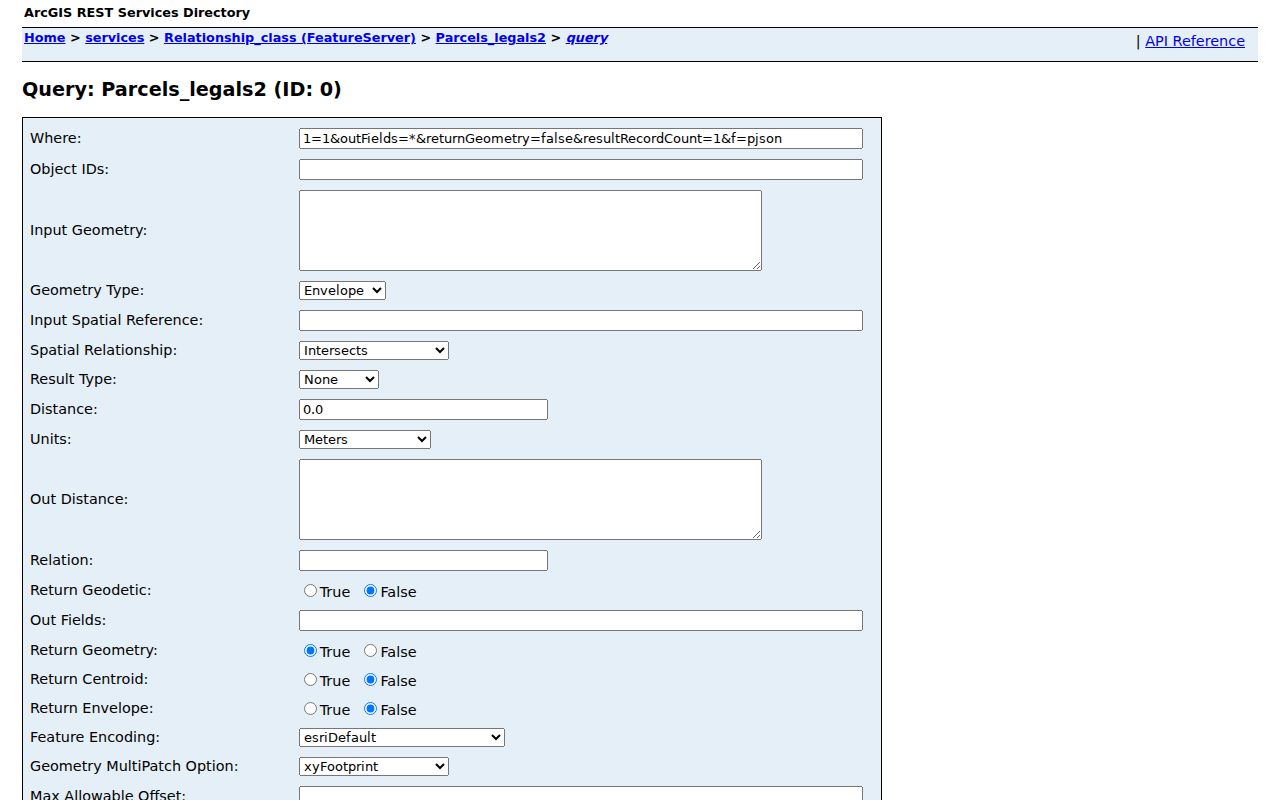
Its Cheboygan situs and Pennsylvania mailing address show why those locations must stay separate.
Cheboygan County Owner Roll Timing
The GIS office works on base layers every day. That work covers splits and combines. It also includes corrections, streets, hydrology, and zoning. But the office states no interval for moving a deed into the owner-name field. Daily map maintenance is not a daily title promise.
Check the displayed year and the recording reference every time. After a recent closing, search the recorder for a newer deed. Remember that the taxable value year is not an ownership timestamp.
Note: A recently recorded deed can name the current owner before the roll's name field catches up.
When the Newest Cheboygan County Deed Controls
Treat the GIS liber/page as a bridge into LandWeb. There, look for a newer conveyance. Compare grantee, legal description, and parcel clues against the roll.
The county does not publish LandWeb's online start year. If the portal or an image is unavailable, contact the Clerk/Register of Deeds at 870 S Main. They can help by phone, mail, or in person. Michigan FOIA is another route to a well-described public record.
Confirm the Current Cheboygan County Owner
Hold the parcel identity fixed while you compare the roll against the latest transfer. That discipline keeps a common name from attaching to the wrong piece of land.
- Search GIS by address or APN and copy all owner lines.
- Preserve legal description and liber/page.
- Check LandWeb for a newer deed and compare the grantee.
- Check an LLC's exact name in Michigan's registry.
- Record the date supporting the current-owner conclusion.
- Owner of record
- Name carried on the assessment roll.
- Vesting
- How the recorded deed states title is held.
- Registered agent
- Entity contact, not necessarily the landowner personally.
Trust and LLC Names Require Exact Matching
The parcel sample puts trustees in ownername1 and a living trust in the care-of text. Search both forms. For an entity, check the MiBusiness Registry. The registry moved to its current platform in June 2025. Then confirm the deed grantee.
A registered office or agent proves nothing about personal ownership. The recorded instrument remains the key ownership record.
Monitor the Confirmed Cheboygan County Owner Name
The Property Activity Alert watches a name for later recorder filings. It gives early warning, not a parcel lock. Trust, LLC, joint-owner, and spelling variations can all affect the match, so verify any notice through the official recorder channel.
Cheboygan County Parcel Identity Comes First
Any current-owner conclusion rests on the parcel match. Address searches can be thrown off by mailing-city labels, municipal boundaries, spelling, and old street or subdivision references. Copy the full hyphenated APN. Keep the leading zeros. Then compare the mapped location against the legal description.
The GIS result also supplies school district, property class, water code, acreage, and tax-unit clues. Treat those as supporting checks, never substitutes for legal text. When two results carry similar owner names, the parcel number and deed description prevent a mistaken match.
Current Value Fields Do Not Date Ownership
SEV and taxable value are year-labeled assessment fields. Michigan transfer rules can uncap taxable value in the year after a qualifying transfer. That shift never pins down the exact date ownership began. Summer, winter, and village tax fields identify billed years, not conveyance dates.
Use liber/page and the deed recording date for transfer timing. A tax bill may still show prior information while systems update. BSA helps with the amount due. But the recorder remains the source for a newly filed ownership instrument.
Cheboygan County Current Owner Source Checklist
The name can matter for a purchase, estate matter, or boundary discussion. So save a short source record. Note the date you viewed the GIS result. Record its APN, every owner line, mailing and situs addresses, legal description, and liber/page. Then note the latest LandWeb instrument and grantee.
Add the exact Michigan registry name and filing status if an entity appears. Recent permit activity deserves care too, since the applicant role may differ from ownership. This record-by-record approach makes uncertainty visible instead of hiding it behind one label.
| Check | Present answer | Limit |
|---|---|---|
| GIS owner | Current roll name | No published refresh lag |
| Latest deed | Newest recorded grantee | Not a title opinion |
| MiBusiness | Entity identity | Agent is not beneficial owner |
| Mailing field | Public correspondence route | Not proof of residence |
Use Cheboygan County Current Owner Data Lawfully
The tax-roll mailing address is a public contact clue. Use it for purchase, boundary, estate, or other legitimate land matters. It says nothing about who lives at either address. Michigan's Address Confidentiality Program may substitute a protected person's designated address.
The owner roll remains informational. A title professional evaluates competing interests, while a surveyor handles boundary evidence.
Lawful use only. Never use a current-owner name or mailing address to harass, stalk, intimidate, or harm anyone.
An owner search sometimes runs into an estate. Probate files can name a personal representative or heirs in their public portions. Still, the check is not complete until the court's authority shows up in a recorded personal-representative deed. Protected personal information stays off limits. MiCOURT is only an informational case index, so the Probate Court file and the recorded instrument are the official sources that matter.
When online access falls short, call the county directly. County Equalization handles parcel and assessment context. The Clerk/Register of Deeds handles the conveyance itself. Equalization sits at 870 S Main, reachable at 231-627-8810 or 8811. The recorder's county page offers office access and LandWeb. Michigan FOIA provides a written-request route for any sufficiently described offline public record, subject to statutory response and fee rules.
Save the evidence behind every answer. Record the query date, the APN, each owner line, mailing and situs addresses, the legal description, the liber/page, and the latest deed's recording date and grantee. A dated source trail beats a bare name copied with no context.
Disagreeing records deserve a second look. Ask what each one actually dates. A value year describes assessment data. A tax bill describes billing. A permit only identifies a project role. The newest valid deed controls the latest recorded conveyance. Keeping those functions straight prevents a present-owner conclusion built on nothing more than the freshest-looking screen.
Treat the sales layer as a lead, not proof. One inspected warranty-deed result listed parties, date, and liber/page but showed a zero price. A zero proves neither value nor ownership. Open the instrument itself and compare its legal description and grantee wording.